
Mar 18, 2026
Logo Brand Identity Difference
These three terms get thrown around interchangeably, and it causes real confusion — especially for business owners in Belfast and Northern Ireland who are trying to invest wisely in how their business looks and communicates. "I need a brand" might mean "I need a logo" to one person and "I need a com
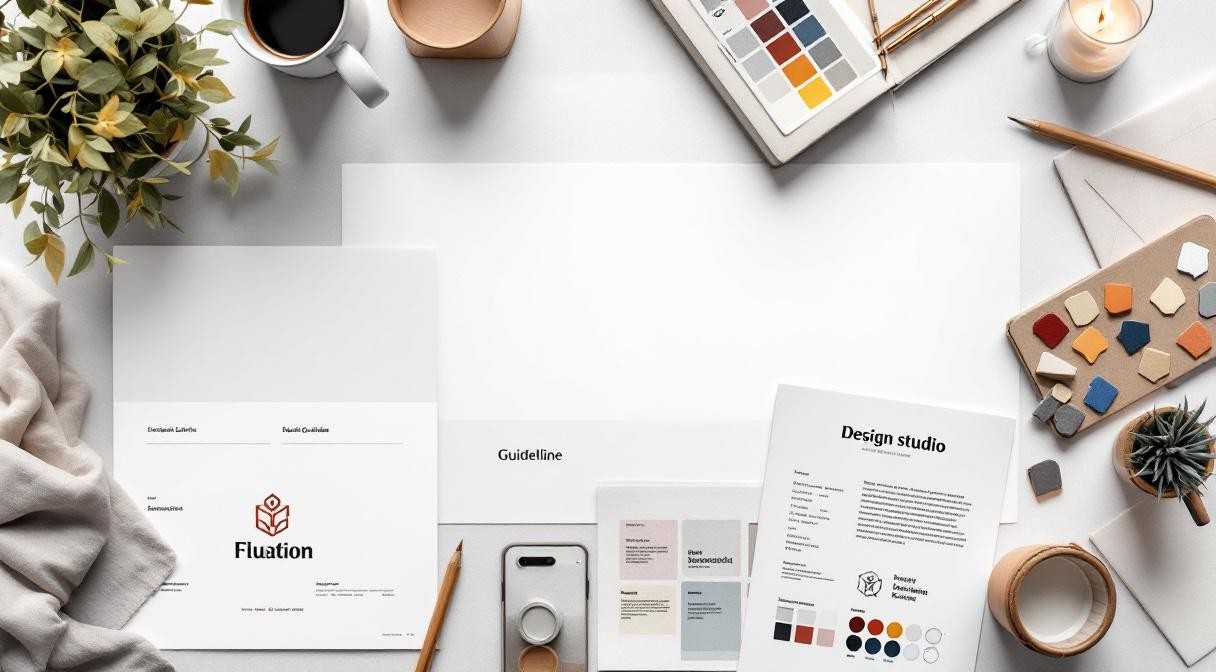
The Difference Between a Logo, a Brand, and a Brand Identity
These three terms get thrown around interchangeably, and it causes real confusion — especially for business owners in Belfast and Northern Ireland who are trying to invest wisely in how their business looks and communicates. "I need a brand" might mean "I need a logo" to one person and "I need a complete visual identity system" to another. The result is mismatched expectations, wasted money, and businesses that think they've sorted their branding when they've barely scratched the surface.
Let's clear this up once and for all.
What Is a Logo?
A logo is a graphic mark that identifies your business. That's it. It's a visual shorthand — a symbol, a wordmark, or a combination of both — that people associate with your company.
Think of the Nike swoosh. The Apple apple. The McDonald's golden arches. These are logos. They're instantly recognisable, but they're not the brand itself.
Your logo appears on your website, your business cards, your signage, your social media profiles, your packaging, your invoices. It's the most visible element of your visual identity, but it's just one component.
A logo alone doesn't tell anyone what you do, how you do it, or why they should care. It's a symbol that gains meaning over time through consistent use and positive experiences.
What a logo includes:
A primary logo (your main mark)
Variations (horizontal, stacked, icon-only)
Colour versions (full colour, single colour, reversed)
Usage rules (minimum size, clear space, what not to do)
What Is a Brand?
Your brand is not something you design. It's something you build — and ultimately, it's something your customers decide.
Your brand is the gut feeling people have about your business. It's the sum of every interaction, every impression, every experience someone has with your company. It's what people say about you when you're not in the room.
Jeff Bezos said it simply: "Your brand is what other people say about you when you're not in the room." That definition holds up because it captures the truth — your brand lives in other people's heads, not on your letterhead.
Your brand is shaped by:
The quality of your product or service
How you treat customers — before, during, and after the sale
Your online presence — website, social media, reviews
Your visual identity — how professional and consistent you look
Your reputation — what people hear about you from others
Your values — what you stand for and how you behave
You can influence your brand through deliberate design and communication, but you can't fully control it. That's why everything you put out into the world matters — it all feeds into the perception people form about you.
What Is a Brand Identity?
Brand identity is the tangible, designed system that shapes how your brand is perceived. It's the bridge between your logo (a single mark) and your brand (a feeling). It's the toolkit that ensures every touchpoint is consistent, professional, and intentional.
A comprehensive brand identity includes:
Visual Elements
Logo system (primary, secondary, icon, variations)
Colour palette (primary and secondary colours with exact codes)
Typography (heading fonts, body fonts, how they're used)
Photography style (the kind of imagery that represents your brand)
Graphic elements (patterns, icons, textures, illustrations)
Layout principles (how content is structured visually)
Verbal Elements
Tone of voice (how you communicate — formal, casual, authoritative, friendly)
Key messages (your value proposition, taglines, elevator pitches)
Brand story (your origin, mission, and purpose)
Vocabulary (words you use and words you avoid)
Brand Guidelines
The document that ties it all together. It's the instruction manual for anyone who creates anything for your business — ensuring a designer in Belfast and a printer in Dublin produce materials that look and feel like they came from the same company.
Working with a professional brand agency ensures all of these elements are developed strategically, not arbitrarily.
Why the Distinction Matters
Understanding the difference between these three things matters because it affects what you invest in and what you expect from that investment.
If you only invest in a logo, you get a mark. You still have to figure out your colours, fonts, imagery, tone of voice, and messaging on the fly — which means inconsistency, which means a weaker brand.
If you invest in a brand identity, you get a complete system. Every decision about how your business looks and sounds is already made, documented, and ready to use. New marketing materials, social media posts, website pages, print collateral — everything starts from a solid foundation.
Your brand itself is built over time through consistently delivering on the promise your brand identity makes. You can't buy a brand. You earn it.
The House Analogy
Think of it this way:
Your logo is your front door. It's the first thing people see, and it should look good. But it's not the house.
Your brand identity is the architecture — the blueprint, the materials, the design decisions that make the house functional, beautiful, and consistent.
Your brand is the experience of living in the house. It's how it feels, how it works, and what people say about it after they visit.
A beautiful front door on a poorly built house doesn't fool anyone for long. And an architect's blueprint is useless if nobody follows it. All three elements need to work together.
Where Most Businesses Go Wrong
The most common mistake is treating a logo as a brand identity. A business pays for a logo, receives a single file, and considers their branding done. There are no colour codes for their printer. No font guidelines for their website developer. No tone of voice direction for their social media manager.
The result is a business that looks different in every context — and customers notice, even if they can't explain why.
The second most common mistake is skipping the guidelines. The brand identity might be beautifully designed, but without documented rules, it degrades over time as different people interpret it differently.
Getting It Right
If you're at the stage where you need branding — whether you're starting from scratch or refreshing something that's not working — invest in a full brand identity, not just a logo. It costs more upfront, but it saves you money in the long run by eliminating inconsistency and giving everyone who works on your business a clear playbook to follow.
Your logo gets you noticed. Your brand identity makes you memorable. Your brand keeps people coming back.