
Mar 18, 2026
How to Sell Online: The Complete Guide to Ecommerce for Belfast Businesses
Everything Belfast businesses need to know about selling online in 2026.
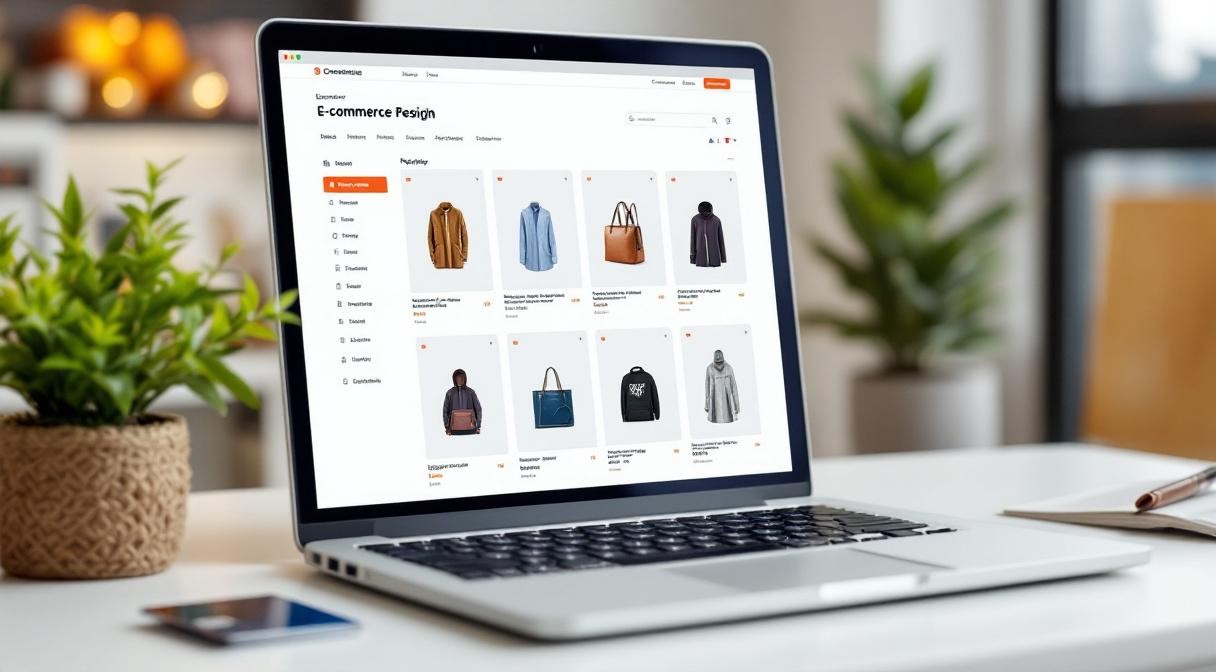
Selling online isn't optional anymore. Whether you're a Belfast retailer wanting to reach beyond the high street, a food producer looking to sell direct, or a service business adding digital products — ecommerce is how you grow in 2026.
But getting started can feel overwhelming. Platforms, payments, shipping, photography, SEO — where do you even begin?
This guide walks you through everything, step by step.
Step 1: Decide What You're Selling
Before you pick a platform or build anything, get crystal clear on what you're selling:
Physical products — clothing, food, gifts, homeware, etc.
Digital products — courses, templates, downloads, ebooks
Services with online booking — consultations, appointments, classes
Subscriptions — recurring deliveries or memberships
Each type has different requirements. A food producer needs different functionality from a clothing brand. Know your model before you build.
Step 2: Choose the Right Platform
This is the biggest decision you'll make. The main options for Belfast businesses:
Shopify — Best for product-focused businesses that want a hassle-free setup. Handles hosting, security, and payments out of the box. Monthly costs from £25 + apps.
WordPress + WooCommerce — Best for businesses that need a full website alongside their shop. More flexible, better SEO, lower ongoing costs, but needs more technical management.
Etsy/Amazon — Good as additional channels, but don't build your entire business on someone else's platform. Use them alongside your own site, not instead of it.
Squarespace — Good for small catalogues (under 50 products) where design matters. Limited for larger or more complex shops.
Our recommendation: If selling products is your primary business activity, start with Shopify. If you need a full website with ecommerce as one part of it, go WordPress + WooCommerce.
Step 3: Get Your Product Photography Right
This is where many Belfast businesses fall short. Online, customers can't touch, feel, or try your product. Your photos are doing all the selling.
The basics:
Use natural lighting or a simple lightbox
Show products from multiple angles
Include at least one lifestyle/context shot (product in use)
Keep backgrounds clean and consistent
Show scale — include something for size reference where helpful
You don't need a professional photographer for every product (though it helps). A smartphone with good lighting and a clean background can produce excellent results.
Step 4: Write Product Descriptions That Sell
"Blue t-shirt. Available in S, M, L, XL." That's not a description — it's a label. Your product descriptions need to sell.
What to include:
What the product is and what makes it special
Who it's for and why they'll love it
Key features AND benefits (features tell, benefits sell)
Materials, dimensions, care instructions
Any unique selling points (handmade, locally sourced, limited edition)
Write like you're talking to a customer in your shop. Be helpful, be specific, be human.
Step 5: Set Up Payment Processing
Customers expect a smooth checkout experience. The standard options:
Shopify Payments / Stripe — the most straightforward. Accept cards, Apple Pay, Google Pay. Competitive rates (around 1.5-2% + 25p per transaction).
PayPal — still expected by many customers. Easy to set up alongside card payments.
Buy Now Pay Later — Klarna, Clearpay. Increasingly expected, especially for purchases over £30. Can boost conversion rates significantly.
Key principle: Offer multiple payment options. Every payment method you don't offer is a reason for someone to abandon their cart.
Step 6: Figure Out Shipping
Shipping is where many NI ecommerce businesses get stuck. Here's a practical approach:
Options:
Royal Mail — reliable for UK delivery, competitive rates for small parcels
DPD / Hermes / Evri — good for tracked delivery, competitive for larger items
Collection — if you have a physical location, offer click and collect
Pricing strategies:
Free shipping over a threshold (e.g., free delivery over £50) — encourages larger orders
Flat rate — simple for customers, easy for you to manage
Real-time calculated — most accurate, best for heavy or variable-size items
Important for NI businesses: Factor in that shipping from Northern Ireland to mainland GB can have different rates. Some courier services charge more for NI postcodes. Know your costs before you set your prices.
Step 7: Get Your Legal Requirements Right
Selling online in the UK means certain legal obligations:
Terms and conditions — covering orders, returns, disputes
Privacy policy — required if you collect any personal data
Returns policy — UK law requires at least 14 days for online purchases (Consumer Contracts Regulations)
Cookie policy — if your site uses cookies (it does)
Business registration details — your registered business name and address must be accessible
Don't skip these. They protect you and your customers.
Step 8: Plan Your Marketing
Building a shop isn't enough — you need to drive traffic to it.
SEO: Optimise your product pages with keywords people actually search for. "Handmade candles Belfast" not just "candles."
Social media: Show your products in use. Behind-the-scenes content. Customer photos. Consistency matters more than perfection.
Email marketing: Build a list from day one. A monthly email to 200 engaged subscribers can outsell a social media account with 2,000 followers.
Google Ads / Shopping: Pay to appear when people search for your products. Google Shopping ads show your product image and price directly in search results.
Local marketing: Don't forget offline. QR codes in your physical shop, local events, networking, and word of mouth all drive online sales.
Step 9: Measure and Improve
Set up analytics from day one:
Google Analytics — who's visiting, where from, what they're doing
Conversion tracking — what percentage of visitors actually buy
Average order value — how much each customer spends
Cart abandonment rate — how many people add items but don't buy
These numbers tell you what's working and what needs fixing. Check them weekly.
Common Ecommerce Mistakes Belfast Businesses Make
Launching before you're ready. Get 20-30 products listed properly before you launch. An empty-looking shop doesn't inspire confidence.
Ignoring mobile. Over 70% of ecommerce browsing happens on mobile. If your shop isn't perfect on a phone, you're losing most of your potential sales.
Underpricing. Factor in product cost, packaging, shipping, payment processing fees, returns, and your time. Many businesses undercharge because they forget hidden costs.
Not collecting emails. Every visitor who leaves without buying could come back if you have their email address. Offer a discount code for email sign-up.
Trying to compete with Amazon. You won't beat them on price or delivery speed. Compete on quality, uniqueness, story, and customer service.
Ready to Sell Online?
If you're a Belfast business ready to start selling online — or you've tried and it's not working — we can help. From platform setup to product photography strategy, SEO to ad campaigns, we'll get your online shop generating revenue.